
Essential Safari Packing Checklist: Must-Haves, Things to Avoid, and Tips for an Unforgettable Adventure
- Apr 14
- 3 min read
Embarking on a safari is a thrilling experience that brings you face to face with nature’s most magnificent creatures. To make the most of your adventure, packing the right gear is crucial. Without proper preparation, you might miss out on comfort, safety, or even the chance to capture incredible moments. This guide offers a detailed packing list, highlights what to avoid, and shares tips to enhance your safari trip.

What to Pack for Your Safari
A well-thought-out packing list ensures you stay comfortable and prepared for various conditions. Here are the essentials:
Clothing
Neutral-colored clothes: Choose khaki, beige, olive green, or brown to blend with the environment and avoid attracting insects.
Lightweight, breathable fabrics: Temperatures can vary, so pack clothes that wick moisture and dry quickly.
Long sleeves and pants: Protect yourself from sunburn, insect bites, and thorny bushes.
Warm layers: Early mornings and evenings can be chilly, so bring a fleece or light jacket.
Wide-brimmed hat: Shields your face and neck from the sun.
Comfortable walking shoes: Closed-toe shoes or hiking boots are best for walking safaris.
Swimsuit: Some lodges have pools for relaxing after a day of exploration.
Gear and Accessories
Binoculars: Essential for spotting wildlife from a distance.
Camera with zoom lens: Capture animals without disturbing them.
Extra batteries and memory cards: Power sources can be limited in remote areas.
Sunscreen and lip balm: High SPF to protect against strong sun.
Insect repellent: Preferably with DEET to keep mosquitoes and flies away.
Reusable water bottle: Staying hydrated is vital.
Flashlight or headlamp: Useful for nighttime activities or power outages.
Travel adapter: Check the plug type for your safari destination.
Small first aid kit: Include basics like plasters, antiseptic wipes, and any personal medication.
Documents and Money
Passport and visa: Confirm entry requirements well in advance.
Travel insurance: Covers emergencies and cancellations.
Vaccination certificates: Some countries require proof of yellow fever or other vaccinations.
Cash in local currency: For tips, souvenirs, or small purchases.
Things to Avoid Packing
Packing light and smart helps you move easily and avoid unnecessary hassle. Avoid these common mistakes:
Bright or dark clothing: Bright colors can scare animals; dark colors attract tsetse flies.
Heavy or bulky luggage: Safari vehicles have limited space.
Strong perfumes or scented lotions: These can disturb wildlife or attract insects.
Plastic bags: Many parks ban plastic to protect the environment.
Valuables or flashy jewelry: Risk of loss or theft.
Non-essential electronics: Leave tablets or laptops behind unless necessary.
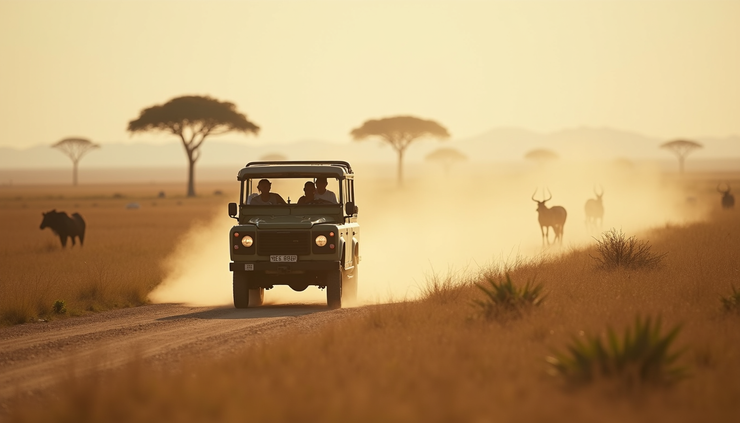
Must-Haves to Enhance Your Safari Experience
Beyond the basics, some items can elevate your trip and make it more enjoyable:
Guidebook or wildlife app: Helps identify animals and birds.
Notebook and pen: Record your sightings and experiences.
Snacks: Energy bars or nuts for long game drives.
Travel pillow and eye mask: For comfortable rest during transfers.
Dry bags or ziplock bags: Protect electronics and documents from dust and moisture.
Lightweight scarf or buff: Shields your face from dust and sun.
Portable power bank: Keeps your devices charged when away from lodges.
Tips for Packing Your Safari Bag
Use a soft-sided bag rather than a hard suitcase for easier storage.
Pack clothes in layers to adapt to changing temperatures.
Keep your camera and binoculars accessible for quick wildlife spotting.
Label your luggage clearly to avoid mix-ups.
Check the weight limits for flights to remote safari locations.


Comments